

mining

Resolution Minerals (ASX: RML)'s Nasdaq Debut Shines a Light on Horse Heaven
Resolution Minerals (ASX/Nasdaq: RML) commenced trading ADRs on Nasdaq to attract US institutional capital and federal support for its Idaho Horse Heaven critical minerals project, leveraging dual FAST-41 permitting status across its key antimony, tungsten, and gold prospects.
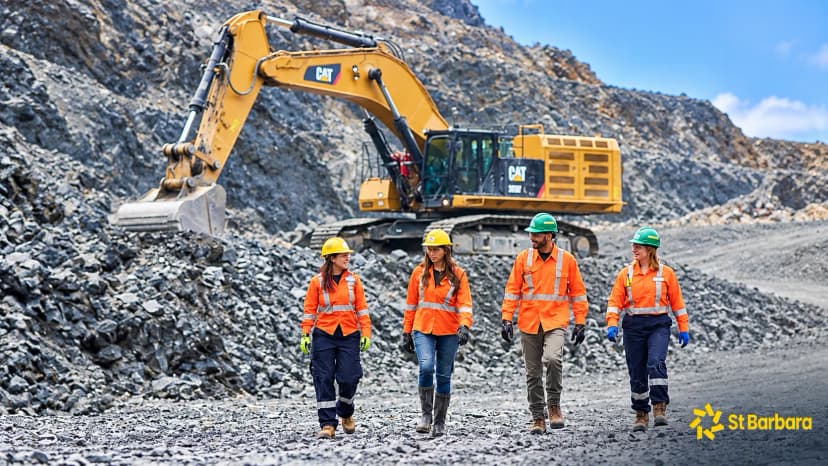
St Barbara (ASX: SBM): Nova Scotia Development Takes Centre Stage as SBM Consolidates Its Gains
St Barbara is reshaping its business through the proposed Simberi sale, stronger cash reserves and a sharper focus on Nova Scotia. The Touquoy restart, 15-Mile project, royalty exposure and potential capital returns now define the company’s next phase.

New Murchison Gold (ASX: NMG): Short-term trading signal (BUY)
NMG has established a cash-generative gold operation at Crown Prince, with strong margins, a debt-free balance sheet and A$201.7m cash. Our conservative valuation of approximately A$1.1bn reflects existing cash, remaining Ore Reserves and risk-adjusted undeveloped Resources. However, continued exploration and successful conversion of Resources into Ore Reserves could materially increase NMG’s valuation.
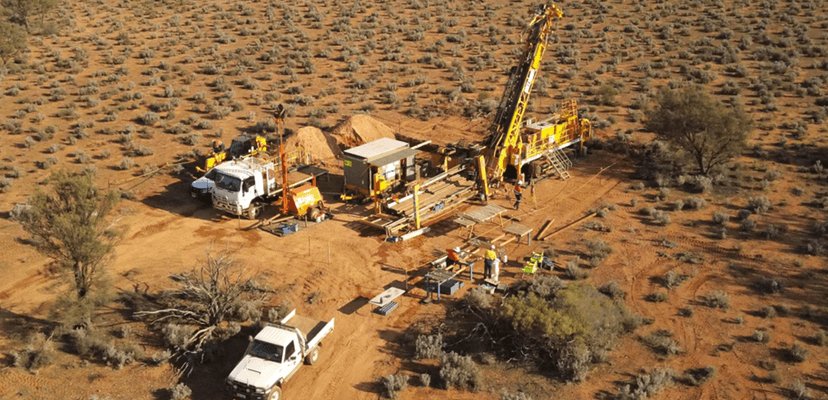
Investigator Silver (ASX: IVR)- Positions for Catalysts Amid Strengthening Silver Market
Investigator Silver (ASX: IVR), formerly known as Investigator Resources, is moving through one of the most strategically important phases in its history. The company is advancing the Paris Silver Project, Australia’s highest-grade undeveloped primary silver deposit, while simultaneously delivering exploration wins across its 100%-owned Peterlumbo tenement and progressing copper-gold targets at Uno Morgans.
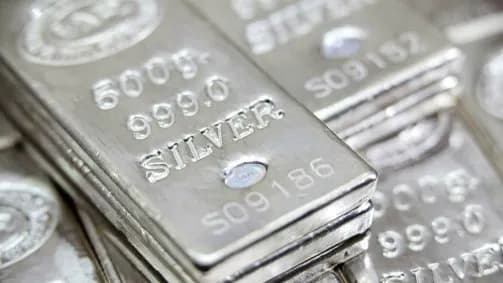
Why silver prices keep soaring, and how you can benefit from it on the ASX?
Silver has quietly moved into a powerful uptrend, and it’s not happening by accident. The metal is being pulled in two directions at once, as a financial haven and as an industrial workhorse. For ASX investors, this creates an opportunity. Exposure comes through producers, developers, and explorers whose revenues and valuations tend to rise as silver prices strengthen, offering leverage to a market driven by both fear and future-focused demand.
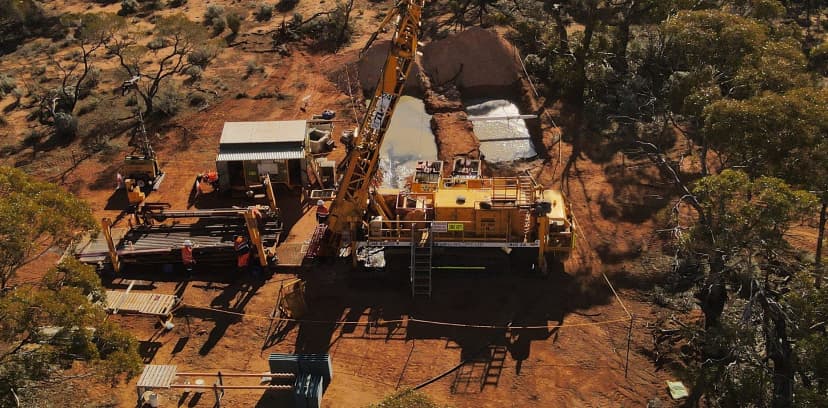
Silver’s On the Move Again: Is Investigator Silver (IVR) Worth Another Look?
Silver has rebounded sharply after a brutal 30–40% pullback, driven by geopolitical tensions and renewed macro uncertainty. Against this backdrop, Investigator Resources Ltd (ASX: IVR) — whose share price has more than tripled over the past year — has pulled back from recent highs as traders de-risk. The key question now is whether silver’s renewed surge signals another leg higher, offering leveraged upside for IVR, or just more short-term volatility.
mining