

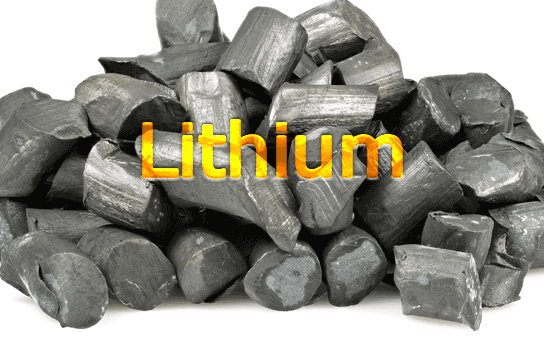
Lithium Price Is on the Rise. Which ASX Lithium Stocks Offer Better Opportunities?
Lithium prices are rising again, which tends to lift investor interest in ASX-listed producers. Thanks to growing demand for batteries (EVs, energy storage) and tightening supply, analysts suggest the recent price upswing, roughly 20–25% month-on-month, may mark a turning point. In that context, some ASX companies with solid operations and cash flow stand out as offering relatively better risk-adjusted opportunities. Still, it’s not a guaranteed path: lithium remains a volatile commodity, and gains now reflect renewed optimism rather than long-term certainty.
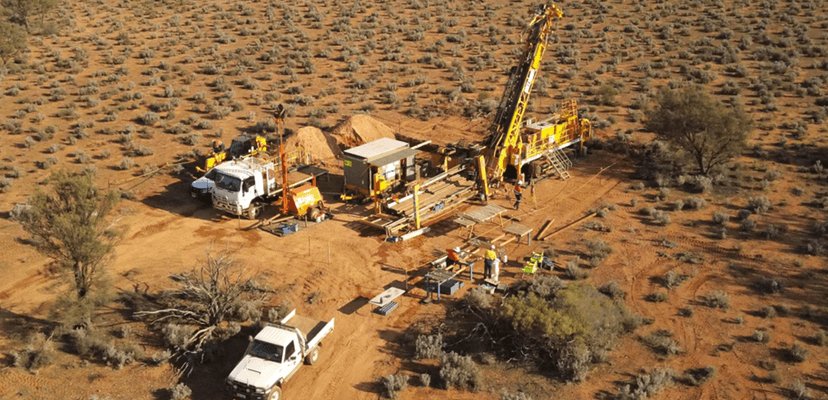
Investigator Silver (ASX: IVR)- Positions for Catalysts Amid Strengthening Silver Market
Investigator Silver (ASX: IVR), formerly known as Investigator Resources, is moving through one of the most strategically important phases in its history. The company is advancing the Paris Silver Project, Australia’s highest-grade undeveloped primary silver deposit, while simultaneously delivering exploration wins across its 100%-owned Peterlumbo tenement and progressing copper-gold targets at Uno Morgans.
Sunrise Energy Metals (ASX: SRL): Positioned at the Strategic Heart of Western Critical Minerals Supply Chains
Sunrise Energy Metals (ASX: SRL) is advancing one of the Western world’s most strategically significant battery-materials developments: the Sunrise Nickel-Cobalt-Scandium Project in NSW, a globally large, long-life, ESG-aligned source of critical minerals essential for EVs, aerospace alloys, defence technologies and high-performance fuel cells. Backed by strong balance sheet discipline, rising government engagement, escalating Western supply-security policies, and material advancement across strategic partnerships during 2025, Sunrise enters 2026 with a profile we view as deeply undervalued relative to its strategic optionality.
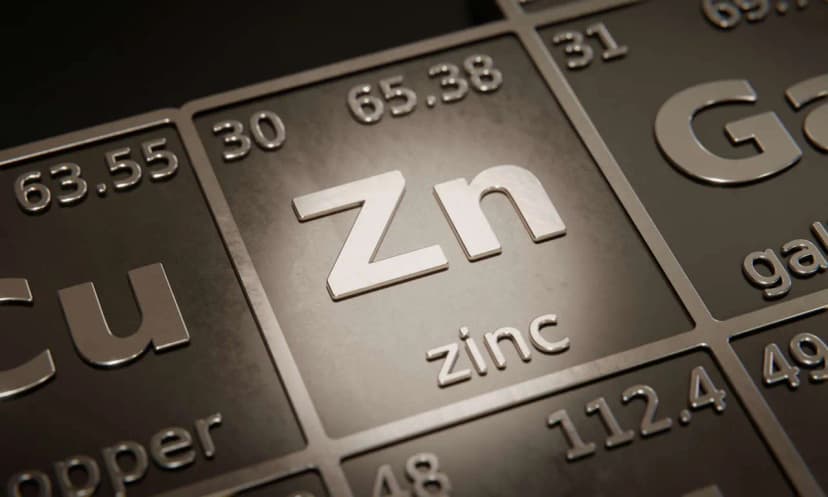
Zinc prices are quietly rising - which ASX stocks can benefit the most?
Zinc prices are edging higher as physical markets tighten, supported by steady demand from steel, infrastructure and renewable energy projects alongside shrinking exchange inventories, particularly on the LME. With supply growth limited and visibility low, declining stocks are increasing concerns around future availability, which can underpin higher prices. For ASX investors, this environment favours zinc-exposed producers, developers and explorers, as well as diversified miners with meaningful base-metal exposure, all of which stand to benefit from improving project economics and margins as zinc’s outlook strengthens.
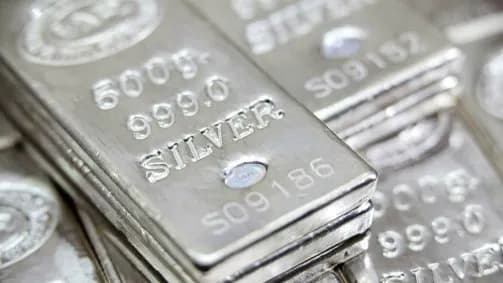
Why silver prices keep soaring, and how you can benefit from it on the ASX?
Silver has quietly moved into a powerful uptrend, and it’s not happening by accident. The metal is being pulled in two directions at once, as a financial haven and as an industrial workhorse. For ASX investors, this creates an opportunity. Exposure comes through producers, developers, and explorers whose revenues and valuations tend to rise as silver prices strengthen, offering leverage to a market driven by both fear and future-focused demand.
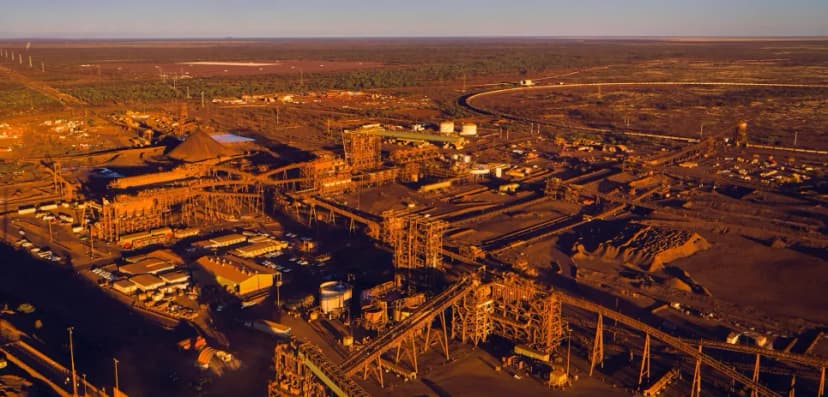
Fortescue (ASX: FMG)- A Tier One Iron Ore Cash Machine with Deep-Cycle Energy Optionality
In our assessment, FMG is neither a simple iron ore beta nor a speculative green-energy experiment. It is a structurally low-cost, high-free-cash-flow industrial platform that deliberately uses surplus mining rents to accumulate long-dated strategic options in energy and decarbonisation. FY25 and the September 2025 quarterly update reinforce our view that Fortescue remains one of the most financially resilient miners globally, even as it operates in a more volatile commodity and macro environment.