

By Topic
Can Develop Global (ASX: DVP) Sustain Its Breakout Toward New Highs?
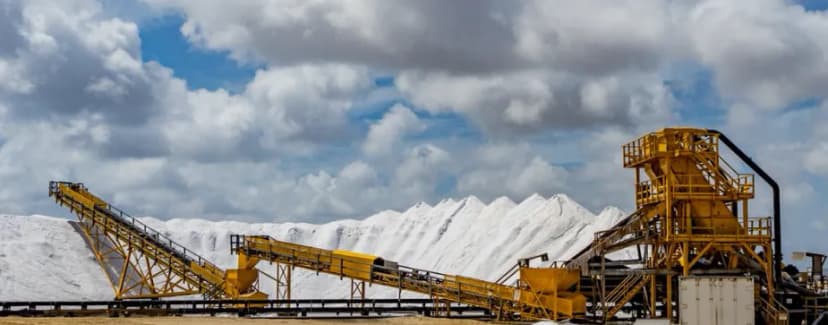
Develop Global (ASX: DVP) is gaining momentum as Woodlawn reaches steady-state production, Sulphur Springs economics improve, and mining services expand. Supported by strong copper and zinc markets, the company’s breakout reflects operational execution, contract growth, and multiple upcoming catalysts.

Why Megaport (ASX: MP1) Shares Just Skyrocketed More Than 35%?
Megaport (ASX: MP1) shares surged over 35% after the company secured AI infrastructure contracts worth A$254 million through Latitude.sh, strengthening its position in the booming AI compute and cloud connectivity market.
Pacific Edge (ASX: PEB): Testing Critical Resistance, Breakout or Reversal Ahead?
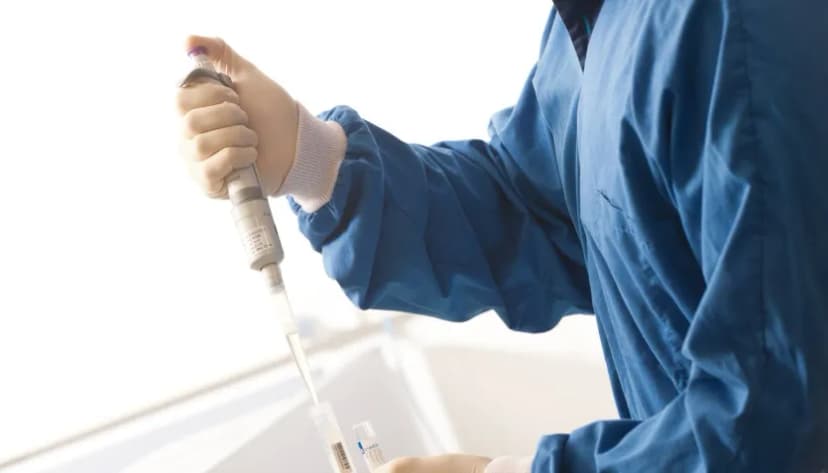
Pacific Edge (ASX: PEB) tests critical resistance near 0.240 after surging on draft Medicare coverage, a 75% increase in reimbursement rates, and a NZ$25.4 million capital raise. Strong volume supports the rally, but RSI near 70 warns of potential pullback risk.

Stakk (ASX: SKK) Surges on Growth Momentum After Record Revenue Expansion
Stakk (ASX: SKK) has surged, reporting record $5.52 million in March quarter revenue and 186% growth, driven by its Stakk IQ embedded finance platform. Expanding across Australian and U.S. banks, healthcare, and regulated industries, it secured major contracts, lifting ARR toward A$26 million.

Can Hammer Metals (ASX: HMX) Sustain Its Breakout Above Long-Term Resistance?
Hammer Metals, a junior explorer focused on copper, gold and lithium in Queensland and WA, broke above resistance on strong Kalman drilling and a trading halt tied to a potential control deal, though overbought technicals and exploration risk remain.

Is Alterity Therapeutics (ASX: ATH) Stabilising After Volatility at a Key Technical Level?
Alterity Therapeutics (ASX: ATH) is advancing its lead neurodegeneration drug, ATH434, toward Phase 3 trials. Following positive clinical data and a 1-for-50 share consolidation, the stock is holding key technical support around 0.450, awaiting a potential upside breakout.
...