

Insights From Technical Analysis
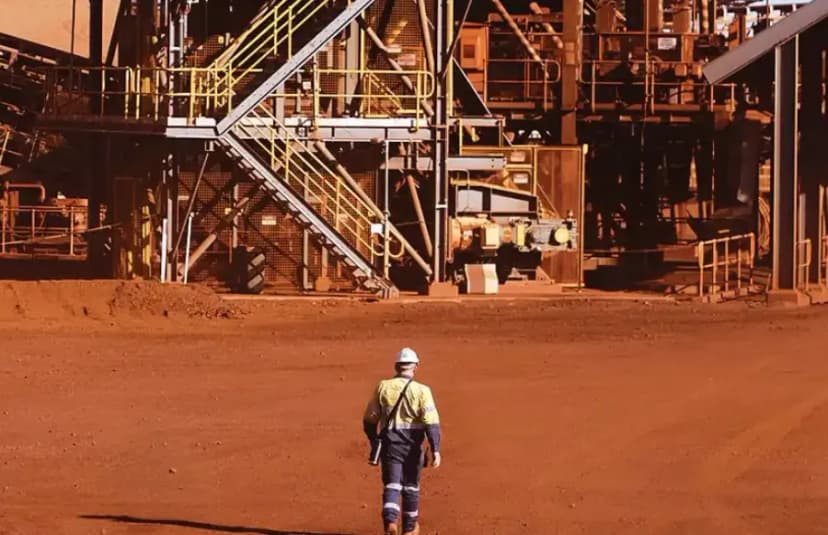
Mineral Resources (ASX: MIN): An undervalued ASX miner facing an important resistance level
Mineral Resources is emerging from a heavy investment phase as the Onslow Iron project reaches scale, driving a sharp recovery in earnings and cash flow. With iron ore production ramped up and lithium assets backed by a major POSCO partnership, the business is now showing the financial benefits of years of expansion. Despite the turnaround, the stock still appears undervalued relative to its long‑term earnings, cash‑flow potential, and asset base.
.webp&w=828&q=75)
TechnologyOne (ASX: TNE): A Defensive SaaS Compounder with Premium Valuation
TechnologyOne is a leading Australian SaaS provider delivering cloud ERP software to governments and large organisations. Its recurring revenue model supports strong margins and steady growth. However, the stock trades at a premium valuation, leaving little margin for growth disappointments.
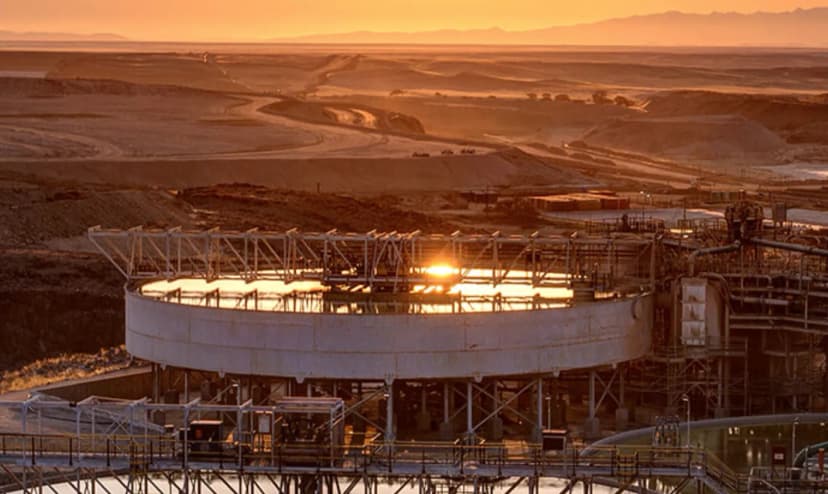
Paladin Energy (ASX: PDN): A Leveraged Play on the Uranium Price Recovery
Paladin Energy is a leveraged uranium producer centred on the restarted Langer Heinrich mine in Namibia. Its earnings are highly sensitive to uranium prices, making the stock a direct play on the nuclear fuel cycle. Future growth could come from the large Patterson Lake South project in Canada.
Immutep (ASX: IMM): A High-Risk Immunotherapy Bet Waiting for Phase III Validation
Immutep is a Sydney-based clinical-stage biotechnology company focused on immunotherapy, specifically targeting the LAG-3 immune pathway. The company is dual-listed on the ASX and NASDAQ, giving it access to both Australian and US capital markets. It does not yet generate commercial product revenue and remains dependent on capital markets and partnerships to fund its development programs, making it a milestone-driven investment rather than a revenue-backed operating business.

Has Neuren Pharmaceuticals' (NEU) share price bottomed out?
If you bought Neuren Pharmaceuticals (ASX: NEU) near its peak, the recent volatility has been uncomfortable. Despite having its first approved drug for a rare paediatric disorder, growing royalty income and a promising pipeline, the share price has repeatedly rallied and retraced over the past two years. The key question now is whether NEU has already formed a durable bottom — or if another leg down could still test investor conviction.
WiseTech Global (ASX: WTC) – Testing the $2bn Strategic Gamble
WiseTech Global’s A$2bn acquisition of E2open has significantly boosted revenue but diluted margins and increased leverage, shifting the investment case from premium organic growth to execution-driven integration. While the long-term strategic rationale remains sound, near-term earnings pressure and higher balance sheet risk make valuation more demanding and leave little room for integration missteps.